

The International Zinc Association (IZA) is spotlighting the critical role of hot-dip galvanised wire in delivering long-lasting corrosion protection for Africa’s diverse construction and industrial environments.
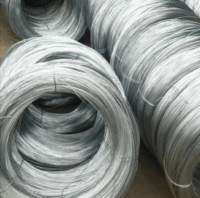
Hot-dip galvanised steel wire coils produced to deliver enhanced corrosion resistance and long-term performance in demanding conditions. All images supplied by the International Zinc Association
Hot-dip galvanised wire is one of those essential materials that quietly support construction, infrastructure, and manufacturing in every part of the world. In Africa, where climatic and environmental challenges vary from humid coastal regions to arid interiors, zinc coatings provide the long-term protection that steel needs to endure.
According to Simon Norton, director of the International Zinc Association (IZA) Africa, “Hot dip galvanised wire is a simple yet vital material, the silent shield protecting our infrastructure. The longevity and resilience it affords are essential to building sustainable and durable systems that can withstand Africa’s diverse and often harsh environmental conditions.”
Hot-dip galvanised steel wire is produced from wire rod that is drawn, heated, cleaned and finally coated with zinc by immersion in a molten bath. The thickness of the zinc layer, generally between 30 and 290 grams per square metre, is selected according to the environment in which the product will operate.
The galvanising process provides a bright, even surface with a consistent zinc weight per square metre and a strong iron-zinc alloy bond. This results in exceptional corrosion resistance and durability over time, ensuring that the wire performs reliably even in demanding outdoor and industrial settings.
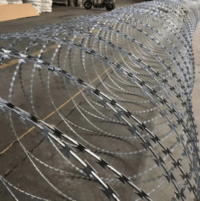
High-security razor wire manufactured to support perimeter protection for industrial, commercial and critical infrastructure environments.
The applications of hot-dip galvanised wire are extensive. It is used in fencing, gabion mesh, barbed wire, cable armouring, wire rope, and packaging, as well as in construction, civil engineering, and power infrastructure.
Due to its thicker zinc coating, hot dip galvanising provides far superior corrosion protection compared to electro-galvanising. This makes it indispensable in sectors such as chemical processing, petroleum refining, marine exploration, metal structures and shipbuilding, where harsh conditions demand materials that can endure.
The production process begins with pickling and annealing to remove oxides, oil, and other impurities from the surface of the steel rod. The wire is then drawn to the desired diameter before being immersed in a molten zinc bath. After galvanising, it is coiled and prepared for further use in industrial and construction applications. The result is a robust, cost-effective, and low-maintenance material that delivers consistent performance year after year.
Norton adds that the beauty of zinc lies in its simplicity: “Once applied, it delivers years, often decades, of protection with minimal maintenance. Galvanised steel wire provides a level of security and durability that simply cannot be matched by uncoated steel or other coatings.”
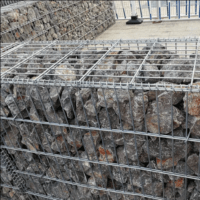
High-quality hot-dip galvanised gabion wire for stone cages.
This combination of performance and affordability is why galvanised wire continues to play a crucial role in supporting Africa’s development. In harsh or high-moisture conditions, galvanised wire can last between twenty and twenty-five years, while in more moderate environments it can remain serviceable for half a century or longer.
As infrastructure investment continues to expand across Africa, the demand for reliable, long-lasting materials will only increase. Galvanised steel wire ensures that bridges, power lines, enclosures, and other vital structures remain strong and functional for decades. “Zinc galvanising embodies sustainability and value. It helps us build infrastructure that lasts, protecting not only the steel beneath it, but the future above it,” concludes Norton.
Source: supplied by International Zinc Association